
Shallow water off Gili Air
The Biorocks
Steel frames, a trickle of electricity, and coral growing several times faster than it should.
Shallow water off Gili Air
Steel frames, a trickle of electricity, and coral growing several times faster than it should.
The Biorocks are not a natural site. They are steel frames placed on the bottom and fed a low-voltage electrical current — about 1.2 volts, harmless to divers and to everything living on them.
The current makes calcium carbonate crystallise onto the steel, and coral fragments attached to the frame grow into that mineral crust two to six times faster than they would on bare rock, coming back more resilient to bleaching. The technique was developed by Wolf Hilbertz and Thomas Goreau; it reached the Gili Islands in 2004, and the first Gili Air structures went in during 2013 in one to three metres of water.
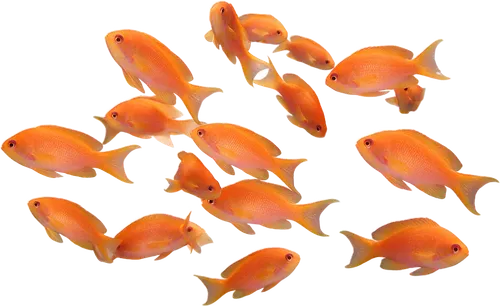
What you actually dive is a set of artificial reefs at different stages of being taken over: clouds of juvenile fish using the frames as a nursery, pipefish and juvenile frogfish in the growth, crustaceans in the gaps. Coral you can watch recovering, rather than coral you have to be told used to be better.
What you come for
The shallowest Gili Air structures sit in one to three metres, which puts them within reach of snorkellers and of a first-ever dive. Deeper structures extend the site well past that, so it slots into a normal fun dive at any level.
The structures are part of the work of the Gili Eco Trust, the local foundation started around the year 2000 by the islands' dive shops in response to destructive fishing. Reef restoration is one of its four strands, alongside waste management, education and animal welfare, and it runs a clean-up every Friday that anyone can join.
There are more than a hundred Biorock structures across the three islands.
The same for every site on this list.
Diving works all year here. April to October is the dry season and gives the clearest water, with September, October, May and June the sweet spot; July and August are the busiest. November to March brings plankton and less visibility, and with it a better chance of something big passing through.
Small groups, four divers to a guide, and a crew that picks the site by the conditions rather than the timetable. Message us on WhatsApp and we will tell you what the water is doing today.
Already certified? The Biorocks is one of the sites we pick from on our fun dives in Gili Air, at IDR 650,000 a dive and less from three dives on.
Book on WhatsAppEvery site on this page is dived from Gili Air, most of them within a fifteen-minute boat ride.
